Hey everyone! If you’re anything like me, you’ve probably noticed just how rapidly the world of logistics is transforming right before our eyes. It’s not just about moving packages anymore; we’re witnessing a complete revolution, powered by incredible smart technologies that are truly changing the game.
Honestly, when I first started exploring this field, I was genuinely blown away by the sheer potential. Every single day, groundbreaking innovations in artificial intelligence, automation, and data analytics are reshaping how goods get from their origin to your doorstep, making the entire supply chain incredibly efficient and, frankly, pretty fascinating.
This isn’t some distant futuristic dream; it’s happening now, creating a whole new landscape of exciting career opportunities that many people aren’t even aware of yet.
If you’re curious about where the real action is, or perhaps thinking about a career path that’s genuinely future-proof, then you’ve absolutely landed in the perfect spot.
Let’s dive in deeper below and discover the incredible job prospects in smart logistics together!
Navigating the Automated Warehouse: Robotics & Automation Specialists
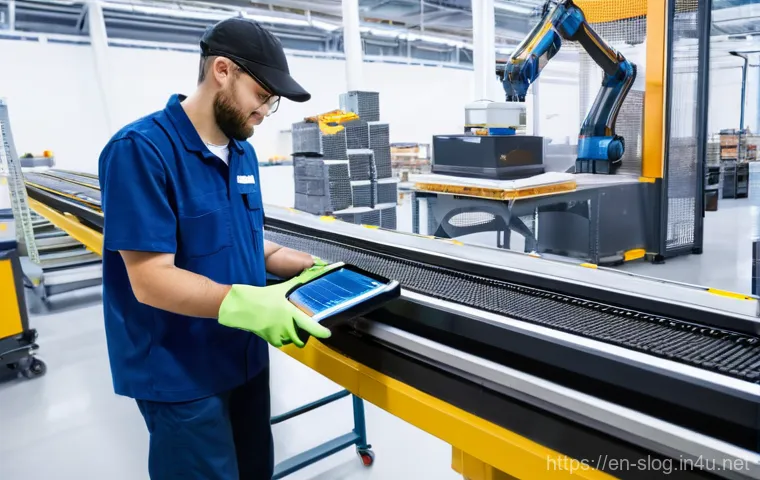
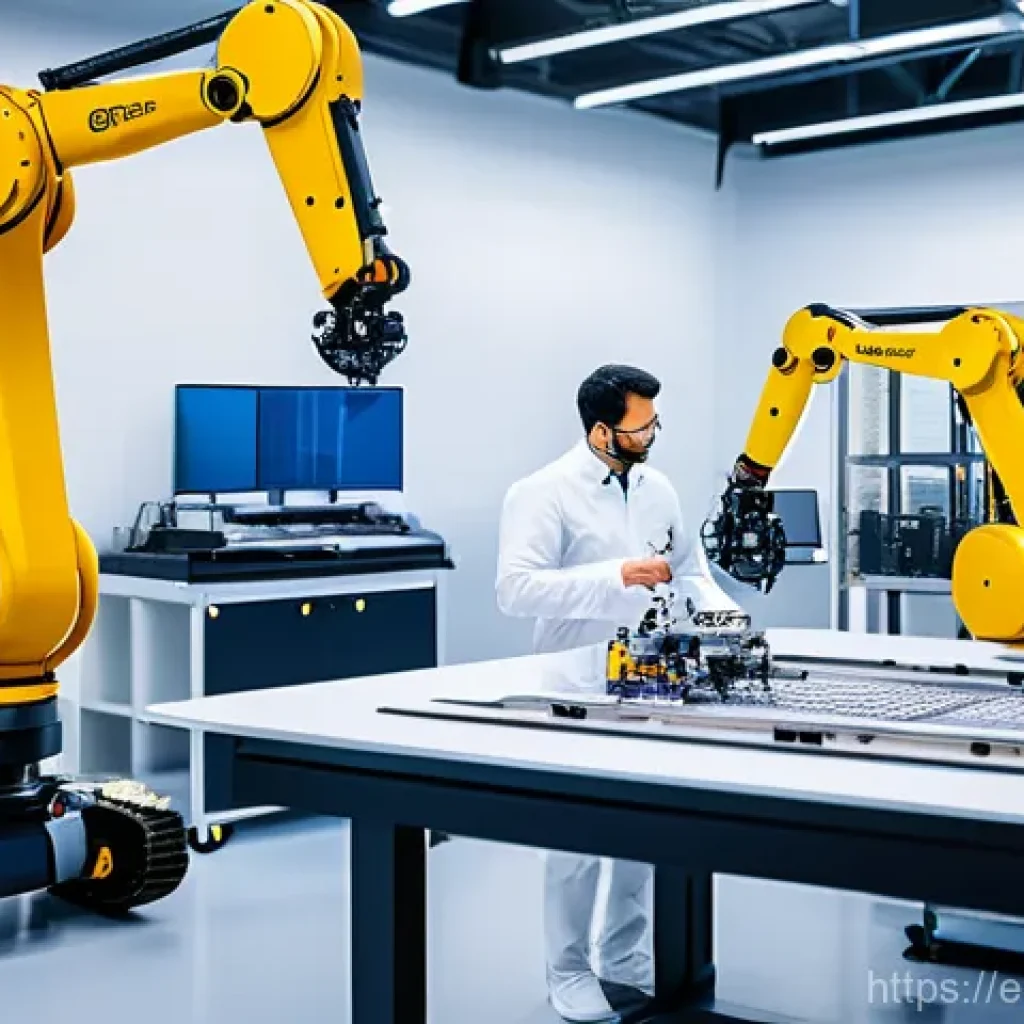
Okay, so let’s talk about the incredible world inside those massive logistics centers. Honestly, if you told me ten years ago that robots would be zipping around, picking and packing items with such precision, I might have chuckled. But here we are, and it’s absolutely thrilling to witness! This isn’t just about replacing human jobs; it’s about creating entirely new, highly skilled roles that focus on designing, deploying, and maintaining these incredibly smart systems. I’ve seen firsthand how an automated warehouse operates, and it’s like a perfectly choreographed ballet of machinery. The sheer speed and accuracy are mind-blowing, and it’s clear these systems need brilliant minds to keep them running smoothly and efficiently. This sector is booming, and for anyone with a knack for engineering or problem-solving, it offers a genuinely rewarding career path. It’s truly a blend of physical and digital expertise, making every day an exciting challenge as you interact with cutting-edge technology that directly impacts how goods move globally.
Robotics Engineers: Building the Future
If you love tinkering, innovating, and bringing complex machines to life, then a role as a Robotics Engineer in logistics might just be your calling. These are the folks who design the next generation of automated guided vehicles (AGVs), robotic arms, and drone systems that streamline everything from inventory management to last-mile delivery. I’ve spoken with a few engineers in this field, and their passion is contagious! They’re constantly experimenting, refining, and thinking about how to make these robots smarter, faster, and more adaptable. It’s not just about coding; it’s about understanding mechanics, electrical systems, and the intricate dance between hardware and software. The demand for these skills is exploding, and companies are actively seeking individuals who can contribute to pushing the boundaries of what’s possible in automation.
Automation Technicians: Keeping the Gears Turning
While engineers design the systems, Automation Technicians are the unsung heroes who ensure everything runs without a hitch on the ground. Think of them as the front-line problem solvers, troubleshooting issues, performing maintenance, and calibrating robots to peak performance. I remember one time, visiting a fulfillment center, and seeing a technician calmly diagnose a sensor issue on an AGV within minutes. It was impressive! They often possess a fantastic blend of electrical, mechanical, and software knowledge, making them incredibly valuable assets. These roles are critical for maintaining the high operational efficiency that smart logistics promises, and for someone who enjoys hands-on work and immediate problem-solving, this is a fantastic entry point into the smart logistics world.
Decoding the Data Deluge: Analytics & AI Gurus
Let’s be real, in today’s world, data is absolutely king, and nowhere is that more apparent than in smart logistics. When I first started digging into this, I was stunned by the sheer volume of information being generated – everything from truck telemetry and warehouse sensor data to customer order patterns and global shipping trends. It’s a goldmine, but only if you have the right people to dig through it and find the gems! This is where our brilliant data scientists and AI specialists come in. They’re not just crunching numbers; they’re uncovering insights that can dramatically optimize routes, predict demand with uncanny accuracy, and identify potential bottlenecks before they even happen. It’s truly fascinating to see how they transform raw data into actionable strategies that make supply chains leaner, faster, and more responsive. For anyone who loves puzzles and finding patterns in chaos, this niche is incredibly exciting and holds immense potential.
Data Scientists: Predictive Powerhouses
Data Scientists in smart logistics are like the ultimate detectives, but instead of solving crimes, they’re solving complex operational inefficiencies. They use advanced statistical modeling and machine learning algorithms to forecast demand, optimize inventory levels, and even design more efficient warehouse layouts. I recently learned about a system that uses predictive analytics to anticipate traffic congestion and re-route delivery vehicles in real-time, saving countless hours and gallons of fuel. That’s the kind of tangible impact these professionals make! They’re absolutely essential for turning vast datasets into strategic advantages, and their work directly contributes to better customer experiences and significant cost savings for businesses. If you’re someone who thrives on intricate problems and enjoys seeing your analytical work make a real-world difference, this is a prime area for you.
AI/ML Engineers: Smart System Architects
Beyond just analyzing data, AI and Machine Learning Engineers are the architects building the intelligent systems that power smart logistics. They develop and deploy the algorithms that enable autonomous vehicles to navigate, robots to learn optimal picking paths, and complex sorting systems to adapt to changing product mixes. When I look at the future of logistics, I see these roles becoming even more central. They’re constantly pushing the boundaries of what AI can do, teaching machines to learn and perform tasks that were once exclusively human domains. It’s a challenging yet incredibly rewarding field, requiring a blend of strong programming skills, a deep understanding of AI principles, and a creative mind to imagine how these technologies can continuously revolutionize supply chain operations. These are the innovators making the ‘smart’ in smart logistics truly intelligent.
Building Sustainable Supply Chains: Green Logistics Experts
You know, for a long time, logistics was primarily about speed and cost, often with little thought given to the environmental footprint. But thankfully, those days are rapidly changing! The shift towards sustainability is one of the most exciting and meaningful developments I’ve seen in the industry. Businesses, consumers, and governments are all demanding more environmentally friendly practices, and this has created a whole new category of essential roles: Green Logistics Experts. It’s incredibly inspiring to see people dedicated to making supply chains more eco-conscious, from optimizing routes to reduce emissions to implementing circular economy models that minimize waste. I genuinely believe this is a field where you can make a significant positive impact on the planet while also contributing to a company’s bottom line. It’s a win-win, and for anyone passionate about environmental stewardship, this is a vibrant and growing area of opportunity.
Sustainability Managers: Eco-Conscious Coordinators
Sustainability Managers in logistics are the visionaries and strategists, tasked with integrating environmentally sound practices across the entire supply chain. They develop and implement initiatives aimed at reducing carbon emissions, optimizing packaging, and ensuring ethical sourcing. I’ve learned that these roles often involve a lot of collaboration – working with suppliers, carriers, and internal teams to identify areas for improvement and drive change. It’s not just about compliance; it’s about innovation and finding creative solutions to complex environmental challenges. They might be overseeing a project to convert a fleet to electric vehicles or designing a return logistics system for reusable packaging. For those who enjoy strategic thinking and want to lead the charge towards a greener future, this management role is absolutely crucial and incredibly impactful.
Carbon Footprint Analysts: Measuring Our Impact
Before you can improve something, you have to measure it, right? That’s where Carbon Footprint Analysts come in. These professionals are critical for assessing and quantifying the environmental impact of logistics operations. They use specialized tools and methodologies to track emissions, energy consumption, and waste generation across the supply chain. I think their work is fundamental because it provides the data needed to set realistic targets and track progress towards sustainability goals. They might analyze everything from the emissions of individual truck routes to the energy usage of an entire warehouse network. Their insights directly inform decisions about sustainable technologies, operational changes, and investment strategies. If you’re meticulous, analytical, and want to contribute to a greener planet with tangible data, this role offers a clear path to making a difference.
Connecting the Dots: IoT & Digital Transformation Strategists
Walking into a modern logistics hub today feels less like a dusty old warehouse and more like a high-tech command center, all thanks to the incredible power of the Internet of Things (IoT) and digital transformation. It’s truly amazing how sensors, smart devices, and interconnected platforms are giving us unprecedented visibility into every corner of the supply chain. From tracking the temperature of sensitive goods in transit to monitoring the real-time location of every package, IoT is pulling back the curtain and showing us exactly what’s happening. I’ve personally experienced the frustration of lost packages or delayed deliveries, and seeing how these technologies are making the entire process more transparent and predictable is genuinely exciting. These roles are all about leveraging digital tools to create seamless, efficient, and resilient supply chains that can adapt to anything the world throws at them.
IoT Solutions Architects: Weaving the Digital Web
Imagine being the person who designs the intricate network that allows thousands of devices to communicate seamlessly, sharing critical data in real-time. That’s the magic of an IoT Solutions Architect in logistics. They’re responsible for selecting, integrating, and deploying the sensors, gateways, and cloud platforms that form the backbone of a smart supply chain. I find their work absolutely fascinating because it requires a deep understanding of both hardware and software, along with a creative vision for how these components can work together to solve complex problems. Whether it’s setting up smart shelving that tracks inventory automatically or developing systems that monitor cargo conditions throughout its journey, these architects are literally building the digital infrastructure that makes smart logistics possible. It’s a field for true innovators who love connecting the dots and seeing their designs come to life.
Blockchain & Supply Chain Traceability Specialists
Transparency and trust are huge in logistics, especially with increasingly complex global supply chains. That’s why the emergence of blockchain technology is such a game-changer, and it’s creating a whole new set of roles for specialists in traceability. These experts are using distributed ledger technology to create immutable records of a product’s journey, from its origin to the consumer’s hands. I’ve seen how this can drastically improve accountability, reduce fraud, and ensure the authenticity of goods, which is incredible. For instance, imagine being able to instantly verify the ethical sourcing of a product or the exact date it was picked from the farm. These specialists are building the systems that provide that unparalleled visibility, making supply chains more secure and trustworthy. If you’re interested in cutting-edge distributed technologies and their real-world applications, this area is bursting with potential.
| Job Role Category | Key Responsibilities | Essential Skills | Typical Entry/Growth Path |
|---|---|---|---|
| Automation & Robotics | Design, deploy, maintain robotic systems; troubleshoot automated equipment; optimize warehouse flow. | Robotics, Mechatronics, Programming (Python, C++), PLC Systems, Problem-solving. | Associate’s/Bachelor’s in Engineering, Technical Certifications, On-the-job training. |
| Data Science & AI | Develop predictive models; analyze supply chain data; implement AI algorithms for optimization. | Data Analytics, Machine Learning, Statistical Modeling, Programming (R, Python), Big Data tools. | Bachelor’s/Master’s in Data Science, Statistics, Computer Science; relevant certifications. |
| Sustainability & Green Logistics | Develop eco-friendly strategies; analyze carbon footprints; ensure regulatory compliance; manage sustainable sourcing. | Environmental Science, Project Management, Regulatory Knowledge, Data Analysis, Communication. | Bachelor’s in Environmental Studies, Supply Chain, or Business with sustainability focus. |
| IoT & Digital Transformation | Design and integrate IoT networks; implement blockchain solutions for traceability; manage cloud platforms. | IoT Architecture, Network Engineering, Cloud Computing (AWS, Azure), Blockchain fundamentals, Cybersecurity. | Bachelor’s in IT, Computer Science, or Engineering; specialized certifications. |
| Cybersecurity Logistics | Protect operational technology (OT) and IT systems from cyber threats; conduct risk assessments. | Network Security, OT Security, Cryptography, Incident Response, Compliance (NIST, ISO 27001). | Bachelor’s in Cybersecurity, IT; professional security certifications (CompTIA Security+, CISSP). |
Guarding the Digital Gates: Cybersecurity in Connected Logistics Networks
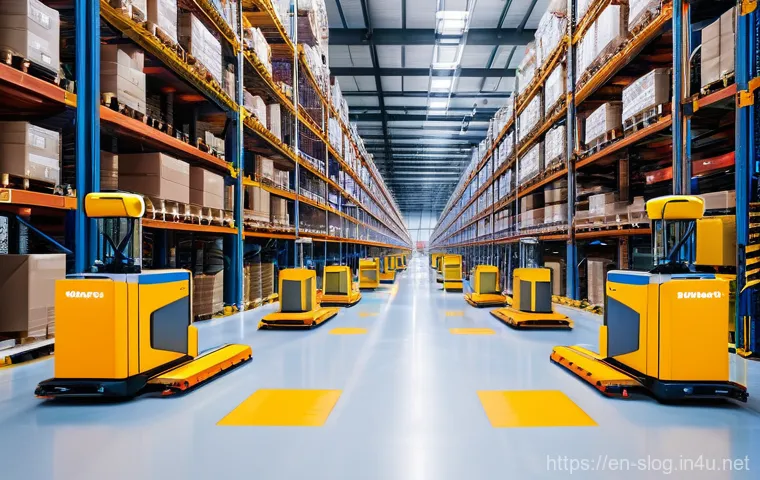
Alright, so we’ve talked about all these amazing smart technologies making logistics incredibly efficient and transparent, right? But with great power comes great responsibility – and in this case, it’s the responsibility of keeping all those interconnected systems secure! Cybersecurity in logistics isn’t just about protecting customer data anymore; it’s about safeguarding entire operational technology (OT) systems that control physical assets like robots, automated cranes, and autonomous vehicles. The thought of a critical logistics network being compromised is genuinely chilling, which is why the demand for skilled cybersecurity professionals in this sector has absolutely skyrocketed. I’ve personally seen companies investing heavily in this area, recognizing that a single breach can have devastating consequences, not just financially, but also for reputation and operational continuity. This is a field that offers constant intellectual challenges and the immense satisfaction of knowing you’re protecting vital infrastructure.
Cybersecurity Analysts: The Digital Guardians
These are the sharp minds on the front lines, constantly monitoring networks for suspicious activity, detecting threats, and responding to incidents. Cybersecurity Analysts in logistics are crucial for ensuring that sensitive data – from shipping manifests to inventory levels – remains confidential and intact. They often work with cutting-edge tools and threat intelligence to stay one step ahead of cybercriminals. I’ve heard stories from analysts who have thwarted sophisticated phishing attempts targeting port operations or ransomware attacks aimed at disrupting distribution centers. Their work is dynamic, demanding, and requires a keen eye for detail and a deep understanding of network protocols and security best practices. If you thrive under pressure and have a passion for digital defense, this role is absolutely essential and offers a thrilling career path.
OT Security Engineers: Protecting the Physical-Digital Interface
While traditional cybersecurity often focuses on IT systems, OT Security Engineers are the specialists who protect the operational technology that directly controls physical processes. Think about securing the software that manages an automated warehouse, the control systems for a fleet of autonomous trucks, or the SCADA systems at a major port. Their work is distinct because compromising an OT system can have immediate physical consequences, like halting operations or causing safety hazards. I believe these roles are becoming increasingly vital as the lines between IT and OT continue to blur in smart logistics. They require a unique blend of cybersecurity expertise and an understanding of industrial control systems, making them highly specialized and in-demand. If you’re fascinated by how digital security impacts the physical world, this niche offers incredibly impactful and rewarding opportunities.
The Human Touch in a Tech World: UX/UI & Training Roles
Now, while we’re all buzzing about robots and AI, let’s not forget about the people who actually interact with these incredible technologies every single day! One of the biggest challenges in implementing smart logistics solutions isn’t just building the tech, but making it user-friendly and ensuring that the workforce is ready to embrace it. This is where roles focused on User Experience (UX), User Interface (UI), and comprehensive training programs become absolutely indispensable. I’ve often seen brilliant technology fall flat because it wasn’t intuitive to use, or because people weren’t properly trained. It’s a critical bridge between cutting-edge innovation and practical, everyday application. These professionals ensure that our smart logistics systems are not only powerful but also accessible and empowering for the people who operate them. It’s truly about humanizing technology.
Logistics UX/UI Designers: Making Tech Intuitive
Have you ever struggled with clunky software or an app that just didn’t make sense? That’s exactly what UX/UI designers prevent in the smart logistics world. They’re the creative problem-solvers who design the interfaces for everything from warehouse management systems and inventory tracking dashboards to mobile apps for delivery drivers. Their goal is to make these complex systems feel intuitive, efficient, and even enjoyable to use. I’ve heard from designers who spend hours observing warehouse workers or truck drivers to understand their workflows and pain points, then translate those insights into sleek, user-friendly designs. It’s a fantastic blend of design principles, psychology, and a deep understanding of operational needs. If you have an eye for design and a passion for making technology work seamlessly for people, this is a rapidly growing and highly valued skill set.
Workforce Transformation Specialists: Bridging the Skill Gap
As logistics technology evolves, so too must the skills of the workforce. This is where Workforce Transformation Specialists come in – they are the architects of upskilling and reskilling initiatives, ensuring that employees are equipped with the knowledge and abilities to thrive in this new landscape. I believe their role is absolutely critical because it directly addresses the human element of digital transformation. They design training programs for everything from operating new robotics systems to understanding data analytics dashboards. I’ve seen firsthand how effective training can turn initial resistance into genuine excitement about new tools. It’s about empowering people, fostering a culture of continuous learning, and making sure that no one is left behind in the march towards smart logistics. If you’re a natural educator and love empowering people to grow and adapt, this is a hugely rewarding career path.
Pioneering New Frontiers: Innovation & Entrepreneurship
Finally, let’s talk about the sheer thrill of innovation and the entrepreneurial spirit that’s truly driving the smart logistics revolution. It’s not just big companies making changes; it’s a vibrant ecosystem of startups, R&D labs, and forward-thinking individuals constantly pushing the envelope. I get genuinely excited thinking about the endless possibilities – from drone delivery in remote areas to hyper-personalized last-mile solutions. This is where the magic truly happens, where new ideas are born, tested, and scaled to redefine how goods move across the globe. For those with a bold vision, a willingness to take risks, and a passion for bringing disruptive technologies to market, the opportunities for innovation and entrepreneurship in smart logistics are simply limitless. It’s an exhilarating space where every day brings a new challenge and the potential to create something truly transformative.
Logistics Innovation Managers: Visionaries of Tomorrow
These are the internal champions of change within established logistics companies, tasked with identifying emerging technologies and strategic partnerships that can give their organization a competitive edge. Logistics Innovation Managers are constantly scanning the horizon for the next big thing, whether it’s a revolutionary new AI platform, a sustainable packaging solution, or a groundbreaking delivery model. I’ve found that they often act as internal consultants, working across departments to champion new ideas and secure resources for pilot programs. Their role is about fostering a culture of continuous improvement and ensuring that their company stays at the forefront of the smart logistics evolution. If you’re a strategic thinker with a knack for spotting trends and translating them into actionable plans, this is a pivotal role in shaping the future.
Startup Founders: The Disruptors
And then there are the boldest among us – the startup founders who see a gap in the market or a problem ripe for a revolutionary solution and decide to build it themselves. The smart logistics sector is absolutely buzzing with innovative startups tackling everything from autonomous long-haul trucking to micro-fulfillment centers powered by advanced robotics. I’ve had the pleasure of meeting several founders who are genuinely passionate about disrupting traditional logistics, and their energy is infectious. They’re building the next generation of logistics technology from the ground up, often fueled by venture capital and a relentless drive to innovate. If you’ve got a groundbreaking idea, the resilience to navigate the challenges of entrepreneurship, and a desire to leave your mark on a multi-trillion-dollar industry, then becoming a startup founder in smart logistics could be your ultimate adventure.
Closing Thoughts
Whew! What an incredible journey we’ve just taken through the landscape of smart logistics. Honestly, I hope you’re feeling as inspired as I am about the sheer breadth of opportunities out there. It’s truly a dynamic field, constantly evolving, and for anyone with a curious mind and a drive to innovate, it’s buzzing with potential. I’ve seen firsthand how these roles are not just jobs, but chances to genuinely shape the future of how our world connects. It’s challenging, yes, but incredibly rewarding to be part of such a transformative industry.
Useful Information to Know
1. Embrace Lifelong Learning: The technology in smart logistics is constantly advancing. Staying curious and regularly upskilling through online courses, certifications, or workshops will keep you ahead of the curve. Think of platforms like Coursera, edX, or even specific vendor certifications for robotics or cloud platforms.
2. Network, Network, Network: Attending industry conferences, joining professional organizations (like CSCMP or APICS), and connecting with professionals on LinkedIn can open doors to mentorship, job opportunities, and invaluable insights. People in this field are generally incredibly passionate and willing to share their experiences.
3. Cultivate Interdisciplinary Skills: The most successful professionals I’ve encountered in smart logistics often have a blend of technical expertise, business acumen, and strong communication skills. Being able to understand both the code and the commercial impact is a powerful combination.
4. Seek Out Internships and Entry-Level Roles: Practical experience is gold. Many companies offer internships or entry-level positions where you can gain hands-on experience with cutting-edge technology. Don’t underestimate the value of starting on the ground floor and learning the ropes.
5. Don’t Be Afraid to Specialize: While a broad understanding is great, finding a niche—be it in AI for route optimization, sustainable packaging solutions, or IoT security—can make you an invaluable asset. Deep expertise in a specific area often leads to unique opportunities and higher demand.
Key Takeaways
The smart logistics sector is booming, offering a diverse array of exciting career paths from robotics and AI to sustainability and cybersecurity. It’s a field ripe for innovation, demanding a blend of technical prowess, strategic thinking, and a commitment to continuous learning. Whether you’re a seasoned professional looking for a new challenge or just starting your career, smart logistics presents an unparalleled opportunity to make a tangible impact on the global supply chain, driven by technology and a vision for a more efficient, sustainable future.
Frequently Asked Questions (FAQ) 📖
Q: What exactly does “smart logistics” even mean, and how is it different from traditional logistics?
A: Oh, that’s a fantastic question to kick things off! When I first heard “smart logistics,” I pictured robots zipping around warehouses, and while that’s definitely a part of it, it’s so much more.
Think of traditional logistics as a bit like playing a game of chess where you plan your moves, but once you make them, they’re set. You’re dealing with a lot of manual processes, phone calls, paperwork, and reacting to problems as they happen.
If a truck breaks down or a shipment gets delayed, it’s often a frantic scramble to fix it. Now, “smart logistics” is like playing that same game of chess, but with a super-intelligent AI whispering real-time insights into your ear, predicting your opponent’s next move, and suggesting the optimal strategy instantly.
It’s all about leveraging incredible technologies like the Internet of Things (IoT), Artificial Intelligence (AI), big data analytics, and automation to make the entire supply chain more efficient, transparent, and proactive.
We’re talking about sensors tracking packages in real-time, AI optimizing delivery routes dynamically, and automated systems handling inventory with pinpoint accuracy.
It literally helps companies reduce waste, cut costs, and improve customer satisfaction by anticipating issues before they even arise. It’s a fundamental shift from simply moving goods to intelligently managing their entire journey, from factory to your front door.
It’s truly a game-changer that makes everything smoother and faster, which, let’s be honest, is what we all want as consumers these days!
Q: What are some of the hottest job opportunities in smart logistics right now, and what kind of skills do they require?
A: This is where it gets really exciting, especially if you’re looking for a career that’s both challenging and incredibly future-proof! I’ve seen firsthand how the industry is evolving, and it’s not just about traditional roles anymore.
While we’ll always need drivers and warehouse staff (though their roles are certainly getting techier!), the real boom is in positions that work with these smart technologies.
Some of the most in-demand roles I’m seeing include:Supply Chain Data Analysts / Data Scientists: These folks are like detectives, sifting through massive amounts of data generated by IoT sensors and AI systems to find patterns, predict demand, and optimize everything from inventory levels to delivery schedules.
If you have a knack for numbers and love uncovering insights, this is a prime spot! Logistics Automation Engineers: These are the architects of the new logistics world.
They design, implement, and maintain the robotic systems, automated warehouses, and autonomous vehicles that are revolutionizing operations. Imagine being at the forefront of building the future of how goods move!
AI/Machine Learning Specialists for Logistics: These experts develop and fine-tune the AI algorithms that power route optimization, demand forecasting, and predictive maintenance for fleets.
It’s a highly specialized and incredibly rewarding field. E-commerce Logistics Specialists: With online shopping continuing its incredible growth, people who can manage the complexities of inventory control, order fulfillment, and efficient last-mile delivery for e-commerce businesses are gold.
Logistics Managers / Coordinators (with a tech twist): Traditional logistics management is evolving. These roles now require a strong understanding of how to leverage technology – like advanced Warehouse Management Systems (WMS) or Transportation Management Systems (TMS) – to manage operations more effectively.
It’s about leading teams and processes, but with a digital mindset. As for skills, beyond the tech-specific ones, employers are really looking for critical thinking, problem-solving, and adaptability.
The ability to interpret complex data, communicate effectively (because you’ll be collaborating with tech teams and operations folks!), and quickly adjust to new tools and unexpected challenges are absolutely crucial.
Plus, a “big picture” mentality to see how your role fits into the larger, interconnected supply chain is key. It’s less about knowing one specific software and more about having a curious mind and a willingness to learn continuously.
Q: I’m intrigued! How can someone like me, maybe without a direct logistics background, actually break into this field?
A: That’s the spirit! Honestly, one of the most exciting things about smart logistics is how welcoming it is to people from diverse backgrounds who bring fresh perspectives.
You absolutely don’t need a decades-long logistics career to jump in; what’s more important is your eagerness to learn and adapt. I’ve seen so many people transition successfully, and here’s what I’d recommend:First, upskill with relevant knowledge.
You can explore online courses or certifications in areas like supply chain management, data analytics, or even specific software used in logistics (like a particular WMS or TMS).
There are fantastic programs out there that can give you a solid foundation without needing a full degree. Think of it as getting your digital toolkit ready!
Next, don’t underestimate transferable skills. If you’ve got experience in project management, customer service, IT support, or even just really strong organizational skills, those are highly valued.
Highlight how your problem-solving abilities or attention to detail (which is SO important in logistics!) can translate into this new domain. Third, network, network, network!
Seriously, connect with people already working in smart logistics. Attend industry webinars, join LinkedIn groups, or even reach out for informational interviews.
You’d be surprised how many professionals are happy to share their journey and insights. Plus, these connections can often lead to opportunities you wouldn’t find otherwise.
Finally, consider entry-level roles or internships. Sometimes starting as a logistics assistant, warehouse associate, or even in a data entry role within a logistics company can give you invaluable hands-on experience and a foot in the door.
From there, you can learn the ropes, demonstrate your capabilities, and naturally gravitate towards the more tech-driven positions. Remember, many companies are looking for raw talent and a good attitude, and they’re willing to train the right person.
The logistics industry is undergoing a “gradual transformation,” meaning there’s plenty of room for humans to collaborate with new technologies, not be replaced by them, opening up challenging new fields of work.
It’s about combining your unique human intelligence with the power of these smart tools.